 Comparison
Soft Washing vs High Pressure Cleaning: Which Method?
Table of Contents
- Soft Washing Versus High Pressure Cleaning: Key Differences
- Comparison Table: Pressure, Equipment, and Results
- What Should You Not Pressure Wash: Surface Protection Guide
- Soft Washing for Roofs: Safe Cleaning for Delicate Materials
- High Pressure Cleaning for Driveways: When to Use Maximum Force
- Signs Your Home Needs Professional Soft Washing
- Effectiveness Against Mould, Mildew, Algae, and Stains
- Cost, Maintenance, and Long-Term Value
- Frequently Asked Questions
Last Updated: October 13, 2026
Soft Washing Versus High Pressure Cleaning: Key Differences
When facing stubborn grime, mould, or algae on your home's exterior, the method matters more than the effort. Soft washing and high-pressure cleaning are fundamentally different, and the wrong choice can cost thousands in repairs.
At JetSet Power Washing, we've spent over 5 years cleaning properties and helping homeowners and property managers understand when each method works. The difference comes down to pressure, chemicals, and surface durability.
How Soft Washing Works
Soft washing uses low pressure, typically 500 PSI or less, combined with biodegradable cleaning solutions to lift dirt, mould, mildew, and algae without blasting them away.
The chemicals break down organic growth and stains at a molecular level, so results last longer because you remove the root cause, not just surface dirt.
Soft washing is ideal for:
- Painted surfaces and render
- Roof cleaning on tiles, metal, and Colorbond
- Cladding materials
- Wooden decks and fences
- Any surface where water pressure could cause damage
The trade-off is time: soft washing takes longer because the solution needs to sit and work.
How High-Pressure Cleaning Works
High-pressure cleaning uses force, typically 3,000 PSI and above, to blast away dirt, grime, and stains. Raw water pressure does the work, and results are immediate.
High-pressure cleaning excels at removing:
- Caked-on dirt and mud
- Oil stains on concrete and asphalt
- Loose paint and rust
- Stubborn buildup that won't respond to chemicals alone
The advantage is speed: a driveway that takes an hour to soft wash can be blasted clean in 15 minutes. The disadvantage is risk, that force can strip paint, crack render, damage roof tiles, and force water into crevices, causing hidden damage later.
Comparison Table: Pressure, Equipment, and Results
| Method | Pressure (PSI) | Cleaning Agent | Best For | Risk Level |
|---|---|---|---|---|
| Soft Washing | 500 PSI or less | Biodegradable detergent | Delicate surfaces, roofs, paint, render | Low |
| High-Pressure Cleaning | 3,000-4,000+ PSI | Water only (usually) | Concrete, driveways, heavy buildup | High if misused |
The pressure difference is critical. Soft washing versus high pressure cleaning isn't about which is "better", it's about matching the method to the surface. Using high pressure on render is like using a pressure washer on a car windscreen; it will damage it.
What Should You Not Pressure Wash: Surface Protection Guide
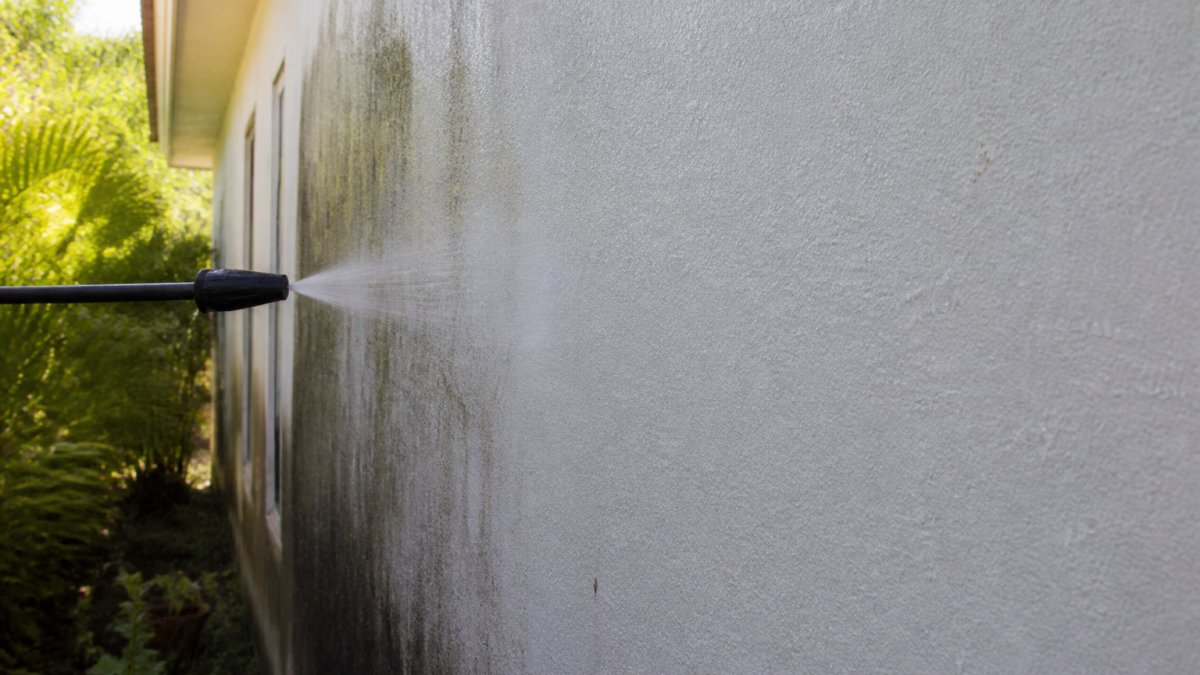
This is where most DIY attempts go wrong. High-pressure cleaning can cause irreversible damage to surfaces that look tough but aren't, so match the method to the material.
Surface-by-surface decision guide
Use this as a quick selector before you start. Where a surface sits between categories, treat it as the more delicate material.
| Surface | Recommended method | Typical pressure | Key risk if misused |
|---|---|---|---|
| Concrete driveway or path | High pressure | 3,000-4,000 PSI | Pitting, joint erosion, water forced into cracks |
| Asphalt | High pressure, low angle | 1,500-2,500 PSI | Aggregate stripping, surface gouging |
| Roof tiles (terracotta, concrete) | Soft wash | 500 PSI or less | Cracking, glaze removal, broken tiles |
| Colorbond or metal roofing | Soft wash | 500 PSI or less | Dents, coating breach, rust initiation |
| Rendered walls | Soft wash | 500 PSI or less | Render debonding, cracking, cavity water ingress |
| Painted weatherboard or fibre cement | Soft wash | 500 PSI or less | Paint stripping, substrate exposure |
| Timber decking and fencing | Soft wash | 500 PSI or less | Grain raising, swelling, warping, rot acceleration |
| Windows and glazing | Soft wash or low-pressure rinse | Under 1,000 PSI | Seal failure, frame damage, water ingress |
| Outdoor furniture (metal, timber, plastic) | Soft wash or gentle hand wash | Under 1,000 PSI | Paint loss, joint loosening, surface scratching |
| Brickwork (sound, unpainted) | Soft wash preferred; low pressure possible | 1,000-1,500 PSI max | Mortar erosion, water penetration |
| Weathered or aging surfaces | Soft wash only | 500 PSI or less | Accelerated deterioration, structural damage |
Pressure and nozzle selection
Pressure alone isn't the only variable, nozzle angle, distance, and dwell time all change the risk profile.
- Nozzle angle: A 0-degree (pencil) nozzle concentrates force and should be reserved for the toughest concrete stains. A 25-degree nozzle is a safer general-purpose choice for durable surfaces. A 40-degree nozzle spreads force and suits rinsing near delicate areas.
- Distance: Doubling the distance from the surface roughly quarters the impact force. Keep at least 300 mm from painted or rendered surfaces, and further if the surface is already compromised.
- Dwell time: Let cleaning solutions work. Increasing pressure to compensate for a weak solution is the most common cause of damage.
- Test patch: Always test on a small, inconspicuous area first, especially on older or previously repaired surfaces.
Chemical safety and runoff management
Soft washing relies on cleaning solutions, so managing them matters as much as the pressure you use.
- Dilution: Follow the manufacturer's dilution ratio. Stronger is not better; over-concentrated biocide can damage plants and leave residue on surfaces.
- Plant protection: Pre-wet garden beds and lawns with plain water before cleaning, and rinse again afterwards. Cover sensitive plants where practical.
- Pets and people: Keep pets and children away from treated areas until surfaces are dry and runoff has been rinsed.
- Drainage: Avoid letting runoff flow directly into stormwater drains, creeks, or waterways. Where possible, direct runoff onto lawn or garden areas that can absorb it, or contain and dispose of it appropriately.
- Rinsing: Rinse adjacent surfaces, including paths, fences, and garden edges, after the job to prevent residue damage.
Damage-prevention checklist
Before you start:
- Identify the surface material and its condition.
- Choose soft washing unless the surface is sound, durable concrete or asphalt.
- Select the correct nozzle angle and keep a safe distance.
- Pre-wet and protect surrounding plants.
- Test a small area first.
- Work methodically and avoid dwelling on one spot.
- Rinse adjacent surfaces and manage runoff.
- Inspect after cleaning and address any early signs of damage.
The rule is simple: if you're unsure, use soft washing. It's slower but safer.
Soft Washing for Roofs: Safe Cleaning for Delicate Materials
Roof cleaning is where soft washing versus high pressure cleaning becomes a financial decision. A high-pressure mistake on your roof can cost thousands.
Roof tiles, metal panels, and Colorbond all benefit from soft washing because they're fragile (tiles crack easily), prone to rust (metal), or easily dented (Colorbond).
Results appear within hours, and within 24-48 hours organic growth is dead and the roof looks years younger.
On metal roofs, soft washing prevents the rust damage high pressure causes by breaching the protective coating.
High Pressure Cleaning for Driveways: When to Use Maximum Force
Driveways are where high-pressure cleaning truly shines: concrete and asphalt are durable enough to handle the force, and the results are dramatic.
Oil stains, tyre marks, dirt buildup, and algae that won't respond to soft washing often need high pressure.
Technique matters, though: control pressure to avoid damage to concrete edges, joints, or nearby render and garden beds.
High-pressure cleaning for driveways typically ranges from 3,000 to 4,000 PSI, enough to remove stubborn stains without damaging sound concrete.
Signs Your Home Needs Professional Soft Washing
Black or green streaks on render or paint. These are mould or algae, not dirt. They'll return quickly if you just blast them away.
Discolouration on roof tiles or Colorbond. Mould and algae on roofing materials require soft washing. High pressure risks cracking tiles or denting panels.
Concern about water damage. If you've noticed water marks inside walls, damp patches, or moisture after previous cleaning, soft washing minimises the risk of forcing water into cavities.
The cost of professional soft washing is typically far less than repairing damage from high-pressure mistakes.
Effectiveness Against Mould, Mildew, Algae, and Stains
Both methods remove visible dirt, but they differ in how they handle organic growth and what happens next.
Mould and mildew. These are living organisms. High-pressure cleaning removes them physically, but spores remain and regrowth is fast, often within weeks.
Algae. Similar to mould, algae regrows quickly after pressure washing alone.
Oil and tyre stains on concrete. These require either high pressure or specialised degreasers. Soft washing alone won't shift old, set-in oil.
Cost, Maintenance, and Long-Term Value
Professional cleaning costs vary by area, surface type, and complexity, but the choice between soft washing and high-pressure cleaning affects both immediate cost and long-term value. Understanding what drives the price, how often you'll need to clean, and how to slow regrowth helps you judge value rather than just upfront cost.
What drives the cost
Most quotes are built from a few common factors:
- Surface area: Larger roofs, driveways, and facades take longer and use more solution.
- Surface type and condition: Heavily soiled or delicate surfaces require more care, more solution, or both.
- Access and height: Multi-storey roofs, steep pitches, and restricted access add labour and safety requirements.
- Method: Soft washing typically takes longer per square metre because the solution needs dwell time. High-pressure cleaning is faster on suitable surfaces.
- Preparation and protection: Masking, plant protection, and runoff management add time but reduce risk.
DIY equipment costs versus professional service
A basic pressure washer may be affordable, but DIY costs more than the machine:
- Suitable nozzles and surface cleaners
- Cleaning solutions and safety equipment
- Water and electricity
- Your time, and the risk of damage if the wrong method is used
Soft washing requires more specialised equipment and chemical handling. Many homeowners find a professional service costs about the same as DIY once equipment, chemicals, and risk are accounted for, particularly on roofs and rendered walls.
Maintenance frequency and prevention
How often a surface needs cleaning depends on several factors:
- Shade and moisture: North-facing surfaces dry faster; shaded, damp areas grow mould and algae more quickly.
- Local climate: Humid, coastal, or high-rainfall areas see faster regrowth than dry inland areas.
- Surface condition: Porous, cracked, or previously damaged surfaces hold moisture and organic matter, encouraging regrowth.
- Surroundings: Trees, gardens, and nearby water sources increase airborne spores and debris.
- Previous treatment: Surfaces that have been soft washed with a residual biocide typically stay clean longer than those cleaned with pressure alone.
As a general guide, many properties benefit from a maintenance clean every 12 to 24 months, with roofs and shaded walls often needing attention sooner. Regular inspection and prompt treatment of early mould or algae reduce the need for more aggressive cleaning later.
Long-term value
Soft washing takes longer, meaning higher labour costs upfront. But because damage risk is minimal, you pay once for a thorough job rather than again to repair damage or reclean within months.
For homeowners preparing a property for sale, professional soft washing is often recouped in the sale price or inspection confidence: buyers and inspectors notice a well-maintained exterior, and high-pressure damage raises red flags.
JetSet Power Washing offers a fixed-price approach in writing, so you know the cost upfront without surprises.
Frequently Asked Questions
Are pressure washing and power washing the same thing?
Yes, pressure washing and power washing are the same cleaning method. Both use high-pressure water to remove dirt, stains, and organic growth from hard surfaces. The terms are used interchangeably in the cleaning industry. High-pressure cleaning differs from soft washing because it relies on water force alone, whereas soft washing combines low pressure with biodegradable detergent to clean delicate surfaces safely.
What PSI is a soft wash?
Soft washing typically operates at 500 PSI or lower, compared to high-pressure cleaning which can reach 3000 PSI or more. The lower pressure in soft washing protects delicate surfaces like painted render, cladding, and roof tiles from damage. Instead of relying on force, soft washing uses specially formulated cleaning solutions to lift mould, mildew, and algae, then a gentle rinse removes the residue without stripping paint or causing water penetration.
Is soft washing safer for painted or rendered surfaces?
Yes, soft washing is significantly safer for painted and rendered surfaces. High-pressure cleaning can strip paint, crack render, and force water behind cladding, leading to moisture damage and costly repairs. Soft washing uses low pressure and biodegradable detergent to clean these delicate materials without risk. The cleaning solution does the work, not water force, so your paint finish and render remain intact while mould, mildew, and stains are safely removed.
How do you know when your home needs professional soft washing?
Your home needs professional soft washing when you notice black or green discolouration on render, painted surfaces, or roof areas, signs of mould, mildew, or algae growth. If DIY cleaning hasn't worked or you're concerned about damage, soft washing is the right choice. Visible moss on tiles, slippery roof surfaces, or organic stains on cladding are also clear indicators. Professional soft washing removes these safely.