 Ultimate guide
Does Pressure Washing Increase Property Value?
Table of Contents
- Does Pressure Washing Actually Increase Property Value?
- How Exterior Cleaning Influences Buyer Perception and First Impressions
- Benefits of Soft Washing for Protecting Your Property Investment
- Preparing Your Home for Sale: The Exterior Cleaning Advantage
- How Often Should You Pressure Wash Your House to Maintain Value?
- Common Surfaces and the Risks of Incorrect Pressure Washing
- Return on Investment: Cost-Effectiveness of Professional Exterior Cleaning
- Frequently Asked Questions
Last Updated: October 7, 2026
Does Pressure Washing Actually Increase Property Value?
While many homeowners wonder if does pressure washing increase property value like a kitchen renovation or roof replacement might, the answer is more nuanced. What it does is more subtle and more reliable: it removes the visual barriers that prevent buyers from seeing the value that's already there.
A home's market value is determined by comparable sales, location, and structural condition. But the price a buyer actually offers depends partly on first impression. A neglected-looking property, even if structurally sound, triggers doubt; a well-maintained one signals care and shifts buyer psychology in your favour.
The real benefit of pressure washing is preparation: it makes your home presentation-ready, whether you're selling, refinancing, or protecting your investment long-term. Let's explore what the evidence shows, and where the claims overreach.
How Exterior Cleaning Influences Buyer Perception and First Impressions
Your home's exterior is the first thing a buyer sees, and it frames everything that follows. But the popular claim that pressure washing 'adds thousands' to a sale price isn't supported by how property value is actually determined.
What actually determines your property's value
A property's market value is driven by comparable recent sales, land size, location, structural condition, and bedroom/bathroom count. A valuer or lender's assessment focuses on those fundamentals; cosmetic presentation doesn't change the valuation figure. What it changes is the price a buyer is willing to offer and the speed at which the property sells.
That distinction is where the real return sits: a clean exterior doesn't raise an appraisal, it removes the visual objections that cause buyers to discount their offer or walk away.
The mechanism: how presentation affects offers
Buyer behaviour follows a fairly consistent pattern:
- First impression sets the anchor. A buyer forms an opinion within seconds. A grimy driveway, mossy roof, or stained render signals deferred maintenance, even when the structure is sound.
- Doubt compounds. Once a buyer suspects neglect, they inspect more closely, negotiate harder, and request inspections with a more sceptical mindset.
- Cleanliness removes ammunition. A well-presented exterior gives the buyer less to point at during negotiation. It doesn't add value, but it protects the value that's already there.
What this means for appraisals and inspections
Don't overstate the effect. A valuer won't increase the figure because the driveway was pressure washed, and an inspector will still note structural issues regardless of how clean the surfaces are. Exterior cleaning simply ensures cosmetic condition isn't mistaken for structural neglect, and that inspection photos and listing images present the property at its best.
The compounding effect over time
For homeowners not selling, the perception argument still applies on a longer timeline. Regular cleaning maintains exterior condition and avoids the slow creep of staining, moss, and algae that eventually reads as neglect. When you do sell, you're starting from a better baseline, not reversing years of buildup in a weekend.
A note on regional conditions
In humid, coastal, or tropical climates, exterior deterioration is faster. Salt spray, high rainfall, and warmth accelerate algae and mould growth on render, roofing, and paving, so the perception gap between maintained and neglected properties widens more quickly, and the case for regular cleaning is stronger than inland.
Benefits of Soft Washing for Protecting Your Property Investment
Here's where pressure washing gets complicated, and where many property owners make costly mistakes.
High-pressure washing removes stubborn grime but can damage delicate surfaces: cracked render, peeling paint, and water penetration are real risks if pressure is applied incorrectly. Soft washing isn't just a gentler alternative, it's often the smarter choice for protecting your investment.
Soft washing uses lower pressure with biodegradable solutions that break down dirt, moss, and algae at the source rather than blasting it away. For painted render, cladding, Colorbond roofing, and composite materials, it preserves the property while cleaning it, removing the problem without creating new ones.
The financial logic is simple: a soft wash costs less than repainting render or replacing damaged cladding later. At JetSet Power Washing, we assess each surface and choose the method that cleans effectively without compromising the material.
This matters for property value because water damage and visible repairs reduce appeal. A property with fresh paint and intact render looks better than one with patched areas or water staining, even if the cleaning cost was lower.
Preparing Your Home for Sale: The Exterior Cleaning Advantage
If you're selling within the next few months, exterior cleaning is one of the highest-return preparation steps you can take, not because it adds appraisal value but because it removes visual objections that lower offers.
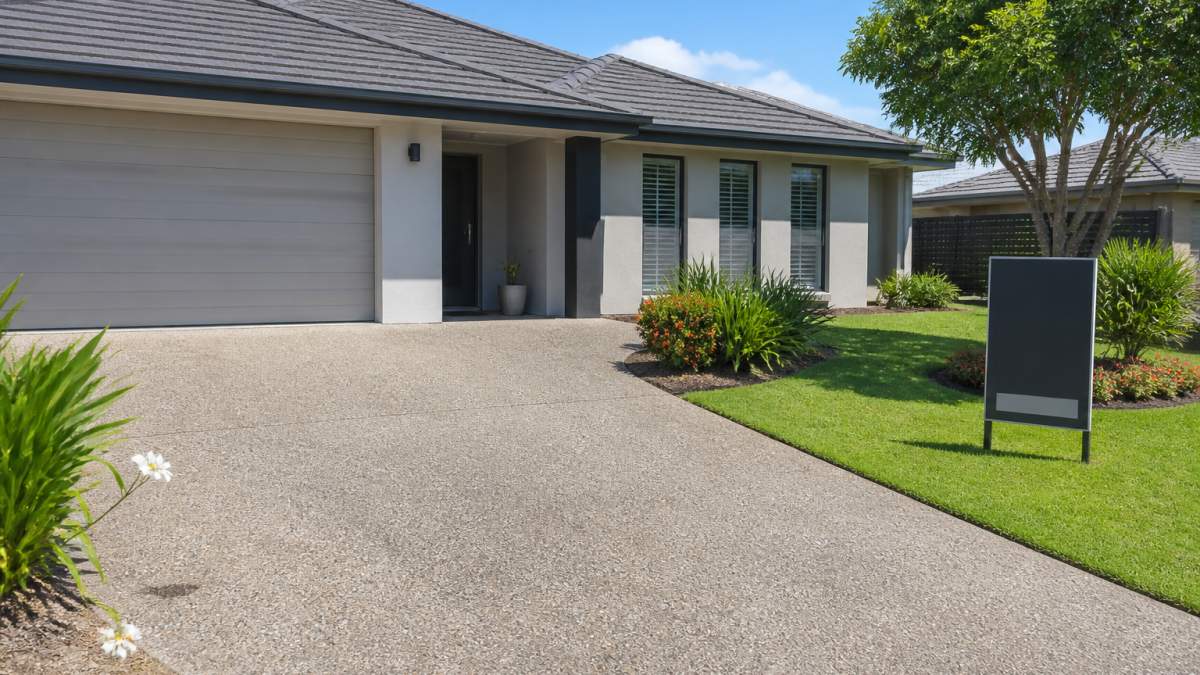
Buyers and inspectors examine your property closely. A clean driveway free of oil stains, a moss-free roof, and grime-free cladding signal the property has been maintained, and make inspection photos look professional for online listings.
Timing matters: clean your exterior 1-2 weeks before open homes or inspections so it settles and looks natural while staying fresh. Last-minute cleaning can leave wet surfaces or water marks that look worse.
For stubborn issues, years of oil stains, heavy roof moss, or algae on render, professional cleaning is worth it. These are the visual problems buyers photograph and research, and removing them removes ammunition for negotiation.
How Often Should You Pressure Wash Your House to Maintain Value?
It depends on your location, climate, and property type. In tropical regions like Far North Queensland, humidity, salt spray, and rainfall accelerate buildup, so moss, algae, and dirt accumulate faster than in drier climates.
For most residential properties in the region, annual or biennial cleaning is reasonable. High-traffic areas like driveways, entry paths, and patios may need cleaning every 12-18 months, while roofs and upper cladding benefit from cleaning every 18-24 months.
The goal isn't perfection; it's preventing deterioration. Regular cleaning removes buildup before it becomes entrenched, which is cheaper and safer than waiting until the property looks neglected. Homeowners who clean every few years spend less overall than those who pay for intensive cleaning later.
For commercial properties and industrial yards, frequency depends on surface and use. Heavy machinery sites may need quarterly cleaning to remove oil, dust, and debris, and high-traffic properties need more attention than sheltered ones.
Common Surfaces and the Risks of Incorrect Pressure Washing
Not all surfaces are equal, and applying the wrong method is where property damage happens. Here's what each common exterior surface can tolerate, where the risks lie, and when a low-pressure or soft-wash approach is safer.
Surface-by-surface guidance
Concrete driveways, paths, and solid stone are dense and forgiving, typically handling 3000 PSI and above without damage.
Render, painted masonry, and bagged finishes are fragile by comparison. Pressure above roughly 1500 PSI risks cracking render, peeling paint, or forcing water behind the surface, causing damp and salt damage.
Timber decking and weatherboards need care: too much pressure raises the grain, splinters the surface, and strips coatings. Use a low-pressure wash with a suitable timber cleaner, then re-oil or re-stain.
Brick sits in the middle. Older, softer bricks and mortar can be eroded by high pressure, especially if the mortar is friable. Use a moderate-pressure wash with a broad nozzle, or soft washing for delicate or heritage brickwork.
Colorbond and metal roofing need careful handling: high pressure can dent panels, loosen fixings, and force water under seams, creating leaks. Soft washing removes moss and algae without the risk.
Windows, frames, and delicate fixtures need low pressure or hand cleaning; high pressure can crack glass, damage seals, and force water into wall cavities.
When not to pressure wash
There are situations where pressure washing is the wrong tool entirely:
- Existing damage. If render is cracked, paint is flaking, or roofing is compromised, pressure washing makes it worse. Repair first, clean later.
- Asbestos-containing materials. Many older Australian homes contain asbestos in eaves, fencing, and cladding. Pressure washing asbestos-cement sheeting can release fibres and is a serious health hazard. If unsure, have the material assessed first.
- Lead paint. Homes built before the 1970s may have lead-based paint; pressure washing can contaminate surrounding soil and surfaces with lead particles.
- Electrical fittings and fixtures. Isolate or avoid areas around outdoor power points, lights, and air-conditioning units.
- Delicate landscaping. Plants, mulch, and garden beds can be damaged or washed away. Pre-wet plants and cover beds where possible.
Environmental and regulatory considerations
Runoff from exterior cleaning carries dirt, mould, chemicals, and sometimes oil or paint residue into stormwater systems. In most Australian jurisdictions, stormwater drains to waterways, not treatment plants, so what you wash off your driveway can end up in creeks, rivers, and coastal waters.
Practical steps to reduce impact:
- Use biodegradable cleaning solutions and avoid chlorinated or solvent-based products where possible.
- Contain runoff where you can, particularly when degreasing driveways or cleaning near drains.
- Check with your local council about any water restrictions or restrictions on outdoor cleaning during drought conditions.
- Avoid washing oil, paint, or chemical residue into stormwater. These should be contained and disposed of appropriately.
The cost of getting it wrong
The risks of incorrect pressure washing aren't cosmetic. Cracked render, water ingress, peeling paint, dented roofing, and damaged timber are structural problems that reduce property value and cost far more to repair than professional cleaning. A moment of carelessness with a high-pressure wand can undo years of maintenance.
Return on Investment: Cost-Effectiveness of Professional Exterior Cleaning
Professional exterior cleaning is an investment, and it should make financial sense.
The cost-effectiveness argument works two ways. First, regular professional cleaning prevents deterioration that would otherwise require expensive repairs, so render repairs, roof replacement, or repainting aren't needed as urgently.
Many owners hesitate because they see the cleaning cost in isolation, but context matters.
For long-term ownership, the return is preservation: a regularly cleaned property maintains its exterior condition longer, meaning lower maintenance costs and better market position if you eventually sell.
Cleaning cost varies significantly by property size, surface type, and buildup.
At JetSet Power Washing, we provide free on-site quotes so you understand exactly what the work costs before committing, removing the uncertainty that makes many owners hesitate.
The evidence is clear: does pressure washing increase property value directly? No, but it removes the visual factors that decrease it.
If you're preparing your home for sale or concerned about exterior deterioration, consult professional cleaning guidance from the Australian Institute of Building to understand what's appropriate for your property type.
Frequently Asked Questions
Does pressure washing actually increase property value when selling?
Pressure washing doesn't directly add a dollar figure to your property's market value, but it significantly improves curb appeal and first impressions, factors that influence buyer perception and willingness to make an offer. A clean, well-maintained exterior removes visible concerns about neglect, which can affect inspection outcomes and negotiation dynamics. Professional exterior cleaning is most valuable when preparing for sale, as buyers form opinions within seconds of arrival.
What are the benefits of soft washing compared to pressure washing?
Soft washing uses low-pressure water combined with safe cleaning solutions to remove dirt, moss, and grime without risking damage to delicate surfaces like render, cladding, paint, and tiles. It's ideal for properties with older exteriors or materials that crack under high pressure. While soft washing takes longer than aggressive pressure washing, it prevents costly repairs and maintains the integrity of your home's protective finishes.
How often should you pressure wash your house to maintain its condition?
Most homes benefit from professional exterior cleaning every 12 to 18 months, though tropical climates with high moisture and mould growth may require annual cleaning. High-traffic areas like driveways and patios may need attention more frequently due to oil stains and debris buildup. Regular maintenance prevents grime and moss from becoming stubborn, reduces the risk of surface deterioration, and keeps your property looking sharp for potential buyers or inspections.
What surfaces can be damaged by pressure washing, and when should you avoid it?
High-pressure washing can damage render, soften paint, force water into brick and timber, and crack or dent metal roofing like Colorbond. Older cladding, decorative finishes, and sealed surfaces are particularly vulnerable. Avoid pressure washing in freezing conditions, on freshly painted surfaces, or near electrical fixtures. Professional operators use soft washing or low-pressure techniques on sensitive materials, which is why choosing the right method for your home's specific surfaces is critical.