 ultimate-guide
Does Soft Washing Damage House Paint? What to Know
Table of Contents
- How Soft Washing Protects Your Paint
- Soft Washing vs Pressure Washing: The Pressure Difference
- Which Paint Types Survive a Soft Wash
- Signs Your Home Needs Professional Soft Washing
- Safe Cleaning for Colorbond and Metal Roofs
- Chemical Safety and Environmental Impact
- DIY vs Professional Soft Washing: What's the Real Cost?
- Frequently Asked Questions
Last Updated: September 27, 2026
How Soft Washing Protects Your Paint
No, the answer to does soft washing damage house paint is no when it is done correctly. It uses low pressure, typically under 500 PSI, plus cleaning solutions that break down grime at the root rather than blasting it off. This guide from JetSet Power Washing explains why that distinction matters.
What Actually Happens During a Soft Wash
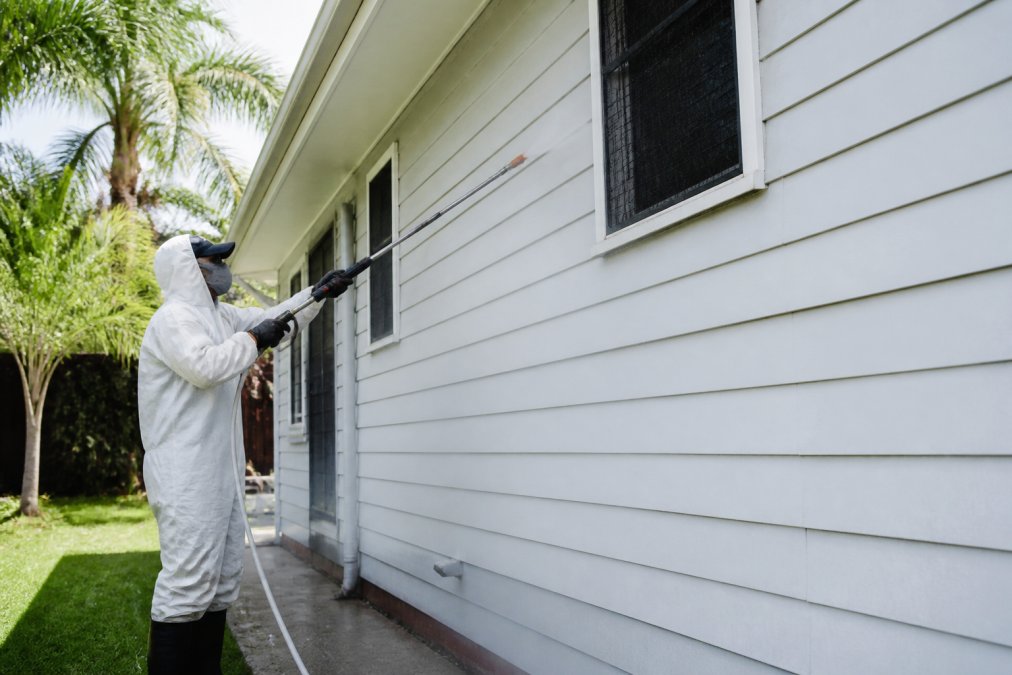
A soft wash applies cleaning solution at low pressure, lets it dwell, then rinses with a gentle stream. Surfactants break the bond between dirt and paint, while additives tackle mould, algae, and mildew at the root.
Soft Washing vs Pressure Washing: The Pressure Difference
The core difference is nozzle pressure. Pressure washing blasts dirt off hard surfaces at high PSI; soft washing dissolves it with low pressure and cleaning solutions. The choice comes down to what you are cleaning.
| Method | Pressure Range | Best For | Risk to Paint |
|---|---|---|---|
| Soft washing | Under 500 PSI | Paint, render, weatherboard, Colorbond | Low when done correctly |
| Pressure washing | 1,500-4,000 PSI | Concrete, driveways, brick paving | High on painted surfaces |
Why High Pressure Strips Paint
High pressure strips paint by forcing water underneath the film, breaking the bond between paint and substrate. Once adhesion fails, water intrusion follows and damage spreads.
Which Paint Types Survive a Soft Wash
Paint type compatibility is the most overlooked variable in the soft washing debate. The question is not simply whether a coating is acrylic, enamel, or textured, it is whether it is fully cured, well adhered, and chemically compatible with the solution. Get those three right and every common exterior paint survives a soft wash; get them wrong and even low pressure will not save a failing film.
Why Cure State Matters More Than Paint Type
Freshly applied paint keeps cross-linking for weeks after it feels dry. Water-based exterior coatings typically need around 30 days to fully cure, longer in cool or humid weather. Washing before cure can soften the film, drive surfactant residue into the surface, and leave a hazy or streaky finish no rinsing will fix.
How Each Common Coating Responds
- Acrylic and water-based exterior paints: The most forgiving coatings once fully cured. Acrylic binders resist UV, moisture and mild detergents, so a low-pressure surfactant wash removes grime without attacking the film. The real risk is cure state, washing too early causes streaking and premature chalking.
- Enamel and oil-based paints: These cure harder and glossier and resist water well, but chip more easily at thin edges, trim and joints. Soft washing is safe, just angle the rinse away from sharp edges and avoid pooling solution in crevices where it can wick under a lifted edge.
- Textured and render coatings: Textured finishes trap dirt, mould spores and salt in their profile, so they benefit most from soft washing. High pressure cracks the texture and opens hairline paths for moisture; a chemical wash lifts contamination out without disturbing the surface. Expect to use slightly more solution on heavy texture.
- Weathered, chalky or already-failing paint: Chalking is the binder breaking down under UV, and no cleaning method reverses it. A soft wash removes chalk residue and surface growth but also reveals how far the coating has degraded. Use a weaker concentration, keep dwell times short, and treat the wash as diagnostic, not repair.
The Two Failure Modes to Watch For
Even on a compatible coating, two things cause problems. Solution strength: a mix for a heavily soiled concrete driveway is far too aggressive for painted weatherboard and can dull or bleach the finish. Dwell time: leaving solution on longer than the manufacturer recommends lets it dry and concentrate, causing staining and film softening.
Signs Your Home Needs Professional Soft Washing
The clearest signs your home needs professional soft washing are visible mould, green or black streaks on walls, chalky residue on your hand after touching the paint, and dull grime a garden hose will not shift.
Watch for:
- Black or green staining on north and south-facing walls
- Mould along eaves, gutters, and shaded areas
- A chalky film that rubs off on your fingers
- Grime that returns within weeks of a basic hose-down
Safe Cleaning for Colorbond and Metal Roofs
Safe cleaning for Colorbond and metal roofs requires low pressure and non-abrasive agents. Colorbond carries a factory-applied paint coating that high pressure can scratch, chip, or strip, exposing the steel underneath to rust.
Chemical Safety and Environmental Impact
Most guides treat soft washing as automatically green because it uses less pressure. That is only half the story: soft washing still applies cleaning agents that have to go somewhere when they rinse off. Knowing what is in the solution, where the runoff travels, and what it can affect separates a responsible wash from an environmental problem.
What Is Actually in a Soft Wash Solution
Most exterior soft wash mixes use three groups of active ingredients. Sodium hypochlorite oxidises mould, algae and mildew at the root rather than bleaching the surface. Surfactants reduce water tension so the solution penetrates instead of beading off. Additives such as sodium hydroxide or potassium hydroxide appear in heavier-duty mixes to saponify greasy soils.
Where the Runoff Goes
Runoff from a house wash follows the slope of your block. It can pool in garden beds, soak into lawn, run into a pool, or reach a stormwater drain. In most Australian jurisdictions, stormwater drains flow untreated to creeks, rivers and coastal waters, so letting wash water run into the street drain is the worst outcome.
A responsible operator manages this in three ways:
- Pre-wetting and pre-rinsing: Garden beds, lawns and pot plants near the work area are soaked with clean water before and after the wash. This dilutes any overspray and protects root zones.
- Containment where possible: On hardstand areas, runoff can be directed to a lawn or garden area that can absorb and break down the solution, rather than to a drain.
- Blocking drains: Stormwater inlets near the property are covered or dammed so wash water does not enter the drainage network untreated.
Protecting Pets, Plants and Pools
Keep pets indoors or well away from the work area until all surfaces are dry, not just until the hose is packed up. Sodium hypochlorite residue on paving or decking can irritate paws and skin, and pets that lick their feet afterwards can ingest it.
Questions Worth Asking Before You Book
A contractor's answers to these tell you more about their environmental practice than any marketing claim:
- What solution are you using, and at what concentration?
- How will you protect my garden beds and lawn?
- Where will the runoff go, and how will you stop it reaching the stormwater drain?
- What happens if solution contacts my pool or water tank?
DIY vs Professional Soft Washing: What's the Real Cost?
At JetSet Power Washing, we provide free on-site quotes, same-business-day responses, and a fixed price in writing before any work starts. With over five years of experience and trade-grade equipment, we soft wash paint, render, and cladding safely, and handle Colorbond, tile, and metal roofs with the care they need.
Frequently Asked Questions
How often should a house be soft washed?
In tropical climates with high humidity and mould pressure, most homes need a soft wash every 12 to 18 months. Properties near the coast or surrounded by dense vegetation may need it every 6 to 12 months. Regular soft washing removes algae, mould and grime before they bond to the paint surface, which extends exterior paint longevity and reduces the chance of needing a full repaint.
Can soft washing remove oxidation from house paint?
Soft washing removes the chalky oxidation layer that builds up on older paint, but it cannot restore paint that has already failed. If the oxidation is surface-level, a soft wash with appropriate surfactants will lift it and reveal a cleaner finish. If the paint is chalky to the point of rubbing off on your hand, the coating is breaking down and needs repainting, not just cleaning.
Will soft washing damage my render or weatherboard?
No, when it is done correctly. Soft washing uses low pressure, typically under 500 PSI, combined with biodegradable cleaning agents to kill mould and algae at the root level. The risk comes from high-pressure washing, which can force water behind render, crack weatherboard and strip paint. A professional soft wash controls water pressure and nozzle choice to clean without water intrusion or surface damage.
What is the best chemical to use for soft washing my house?
Sodium hypochlorite mixed at the correct dilution is the industry standard for killing mould, algae and mildew on exterior surfaces. It is paired with surfactants that help the solution cling to vertical surfaces and penetrate growth at the root level. For Colorbond and metal roofs, a milder biodegradable solution is used to avoid damaging the coating. Always check that the product is safe for your specific cladding material.
So does soft washing damage house paint? Not when it is done properly. The real risk sits with high pressure, wrong chemicals, and operators who treat every surface the same. If your paint, render, or Colorbond roof needs cleaning, get it done by a team that matches the method to the material. Get started with JetSet Power Washing for a free on-site quote, a fixed price in writing, and a spotless handover backed by five years of experience and a 5.0 rating.